
The Science of Speed: How Bentley Converted Engineering Excellence into an Action-Packed Cinematic Masterpiece
Introduction: The Legacy of the Driving Machine
In the dynamic arena of automotive engineering, the Bentley Continental GT Speed represents a pinnacle of power and luxury. However, pushing the boundaries of performance requires more than just engineering muscle; it demands creative vision. This article delves into the intricate behind-the-scenes process of “Supersports: FULL SEND,” Bentley’s most extreme film production, which transformed their flagship grand tourer into a cinematic legend. Using Travis Pastrana, the American stunt driver and action sports icon, as the central figure, Bentley created a film that demonstrated raw, unapologetic power, while simultaneously paying homage to its 100-year heritage.
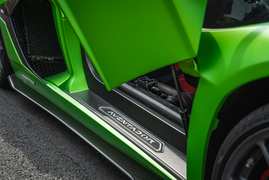
The genesis of “Supersports: FULL SEND” lies in a confluence of ambition, technology, and artistic collaboration. Unlike traditional automotive films that rely on simulation or controlled environments, Bentley sought to push the limits of their Continental GT Speed in Crewe, utilizing the actual Bentley manufacturing plant, a world-renowned center for luxury car manufacturing, as the primary backdrop. This decision not only highlighted the engineering prowess of the Continental GT Speed but also provided a unique backdrop for what many are calling the most ambitious Bentley film ever produced.
The Genesis: From Concept to Action
The vision for “Supersports: FULL SEND” was born during an April 2025 meeting, where the Bentley Continental GT Speed was the catalyst for a radical new film concept. Internal discussions, codenamed “Pymkhana,” revealed that a cinematic depiction of the Continental GT Speed drifting and sliding through the Bentley factory roads was indeed possible. This wasn’t just a marketing exercise; it was a challenge to the engineering team to push the vehicle far beyond its factory-standard limitations.
The production required more than just a Bentley Continental GT; it needed a vehicle that could handle extreme abuse. The engineering team was tasked with transforming a development vehicle into a pure performance machine. The Continental GT Speed’s electronic Limited Slip Differential was recalibrated, Electronic Stability Control was permanently disabled, and custom software was written to facilitate both static and rolling burnouts. The most significant modification was the development of a working hydraulic handbrake, designed to work in tandem with the Bentley’s eight-speed double-clutch gearbox, allowing the car to slide sideways through corners, a feat typically associated with rally racing cars.
The Technical Challenge: Engineering for Extreme Performance
In 2025, Bentley’s R&D department was under pressure to deliver a vehicle that could withstand the rigors of extreme driving. Alistair Corner, Bentley’s Engineering Manager, oversaw the transformation. His goal was to transform the standard Continental GT Speed into a rally-style car, stripping it of safety features and adding functionality to allow it to “dance” through the factory’s narrow roads. Corner noted, “The mission for our ‘Pymkhana’ car was to turn the already-capable Supersports up to 11 – to remove all the safety features that the production version must include, and to add functionality to allow the car to dance around the narrow roads of our factory. The team of engineers that developed the car was outstanding, learning on-the-fly and coming up with creative solutions to turn the car into a monster. Crucially, what that special car can now do is an extension of the inherent ability within Supersports – the Pymkhana car is a Supersports without limits, that demonstrates what our chassis and powertrain can do when taken to the extreme.”
The engineering effort culminated in a specialized Bentley GT Speed that retained the car’s powertrain while showcasing an extended range of motion. This extraordinary vehicle, a gymkhana-inspired car, was equipped with titanium skid blocks designed to create a shower of sparks, adding a visceral, high-octane element to the film.
The Talent: Travis Pastrana and the Legacy of Daredevils
The choice of Travis Pastrana as the driver was pivotal. Pastrana, known for his fearless stunts in supercross, rallycross, and motocross, brings an unparalleled level of skill in action sports and precision driving. His presence elevated the film beyond a typical Bentley advertisement, turning it into a high-stakes cinematic event. As a veteran of the World Rally Championship and owner of the Nitro Circus brand, Pastrana’s participation solidified the film’s authenticity in the eyes of car enthusiasts and action sports fans alike.
The project was further bolstered by the involvement of two precision drivers, as well as Bentley’s Heritage Collection, which provided additional vehicles for car-to-car sequences. The commitment to safety in film production was paramount, with extensive planning required to protect gas mains, fiber optic cables, water pipes, and the electrical supply to the Bentley factory.
The Production: A 72-Hour Cinematic Gauntlet
The filming itself, held between September 26-28, 2025, was a logistical marvel. Over 100 people—including the main production crew, production support teams, and factory support staff—were involved. The core crew consisted of around 25 individuals, including camera operators, drone operators, and technicians operating a purpose-built tracking car derived from a first-generation Bentayga W12, equipped with a U-Crane arm.
Beyond the production crew, a host of specialists ensured smooth operations. A 10-person team of location marshals enforced strict safety protocols, ensuring the Bentley factory campus was completely locked down for the filming. Twenty-five vehicle specialists, medics, a fire crew, car wranglers, heritage car drivers, and a health and safety unit worked tirelessly to execute the ambitious vision.
The Cinematic Execution: A Fusion of High-End Engineering and Raw Action
Throughout the three-day shoot, director Jon Richards helmed the project, ensuring every scene was meticulously choreographed. The filming was a testament to risk management and precision filming techniques. Despite the high-risk nature of the shoot, involving speeds exceeding 120 mph and high-energy maneuvers, the only damage sustained to a production vehicle was a single wing mirror. This demonstrates the exceptional performance of the Bentley GT Speed and the meticulous planning involved in the project management.
Mike Sayer, Bentley’s Head of Product Communications and the executive producer, commented on the experience: “The filming days were incredibly intense but ultimately the most fun we’ve ever had at the campus. We were fortunate with the weather, and the star car, the supporting cast of vehicles and all the teams involved performed to an exceptional standard. Despite the beyond-the-limit driving involved, and speeds exceeding 120 mph, the only damage sustained to person or machine was one smashed wing mirror! I’m grateful to every single Bentley colleague who worked so hard to deliver this unique project for us.”
The Legacy of “Supersports: FULL SEND”
After three days of filming and three months of editing, “Supersports: FULL SEND” was released in January 2026, featuring 12 hidden “Easter Eggs”—details and cars that only eagle-eyed viewers would spot. This final product served as a powerful demonstration of Bentley’s commitment to pushing boundaries, blending high-end automotive manufacturing with the raw thrill of extreme sports.
The Evolution of the Bentley GT Speed: From Classic to Modern Powerhouse
The Bentley Continental GT Speed is more than just a luxury sports car; it is a symbol of engineering innovation and design heritage. To understand the significance of “Supersports: FULL SEND,” one must look at the Bentley GT Speed’s evolution, particularly in its contemporary form which is arguably the most dynamic and powerful vehicle to leave Crewe. The Bentley GT Speed in the modern era is defined by its ability to deliver both comfort and performance, a trait highlighted by how the film transformed it from a luxury car to a rally-style drift car.
Bentley’s R&D and Motorsport Heritage
The ability to engineer such a radical departure from the standard Bentley GT Speed lies in Bentley’s R&D and motorsport department, which have long been at the forefront of performance engineering. The film showcased a special Pymkhana car—a Continental GT Speed modified for extreme conditions. This effort was supported by Bentley’s Heritage Collection, which provided classic models for the film’s background, linking the modern marvel to its historic roots.
The Engineering Masterpiece: Pymkhana Car Modifications
The Pymkhana car was a marvel of modification, designed to outperform the standard production car. The team adjusted the electronic Limited Slip Differential, disabled Electronic Stability Control, and implemented special software for burnouts. This ensured the Bentley GT Speed could perform extreme maneuvers like drifting and gymkhana. The integration of a working hydraulic handbrake, connected to the eight-speed double-clutch gearbox, was the key to the car’s agility, allowing it to navigate the tight Bentley factory roads with ease. Alistair Corner, Engineering Manager, emphasized this achievement, noting that the modifications are an extension of the inherent ability within Supersports, turning the car into a monster that demonstrates the ch